

Cyber Insurance: Why Proof Is Now Required
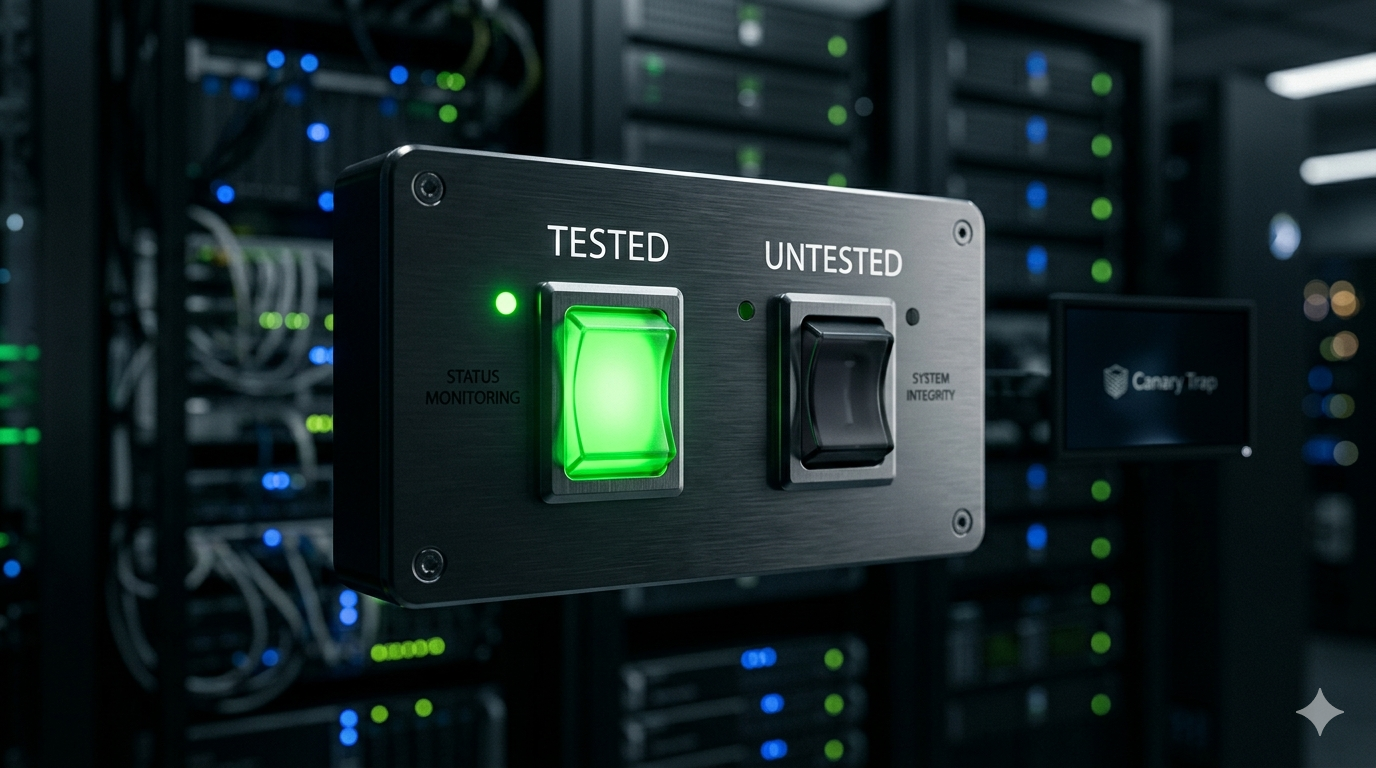
Cyber insurance is becoming more rigorous as insurers demand proof that security controls are not only in place, but actively working. Organizations can no longer rely on self-reported information during underwriting or renewal. Instead, they are expected to provide clear evidence that their defenses are effective, consistently enforced, and capable of responding to real threats.
This shift is driven by ongoing losses from ransomware and other cyber incidents, which have exposed gaps between what organizations claim and what they can actually defend. As a result, insurers are tightening requirements and placing greater emphasis on validation.
Policyholders are now being asked to demonstrate key security capabilities, including multi-factor authentication, endpoint protection, and incident response readiness. Backup strategies, in particular, are under increased scrutiny, with insurers expecting not just the presence of backups, but proof that they are regularly tested and can be successfully restored.
The underwriting process is also becoming more technical. Insurers are seeking documentation, logs, and in some cases third-party verification to confirm that controls are functioning as intended. This reflects a broader move toward evidence-based risk assessment, where coverage decisions are tied to measurable security performance rather than stated policies.
As expectations continue to evolve, organizations must take a more proactive approach to security validation. Demonstrating that controls work in practice, not just in theory, is becoming essential to securing and maintaining cyber insurance coverage.
Kerner, Sean Michael. 2026. “What CIOs Need to Know About Cyber Risk Insurance Issues” TechTarget. January 14.
READ: https://bit.ly/4bHIH1W