

Cyber Insurance Renewal: Prove It or Lose It
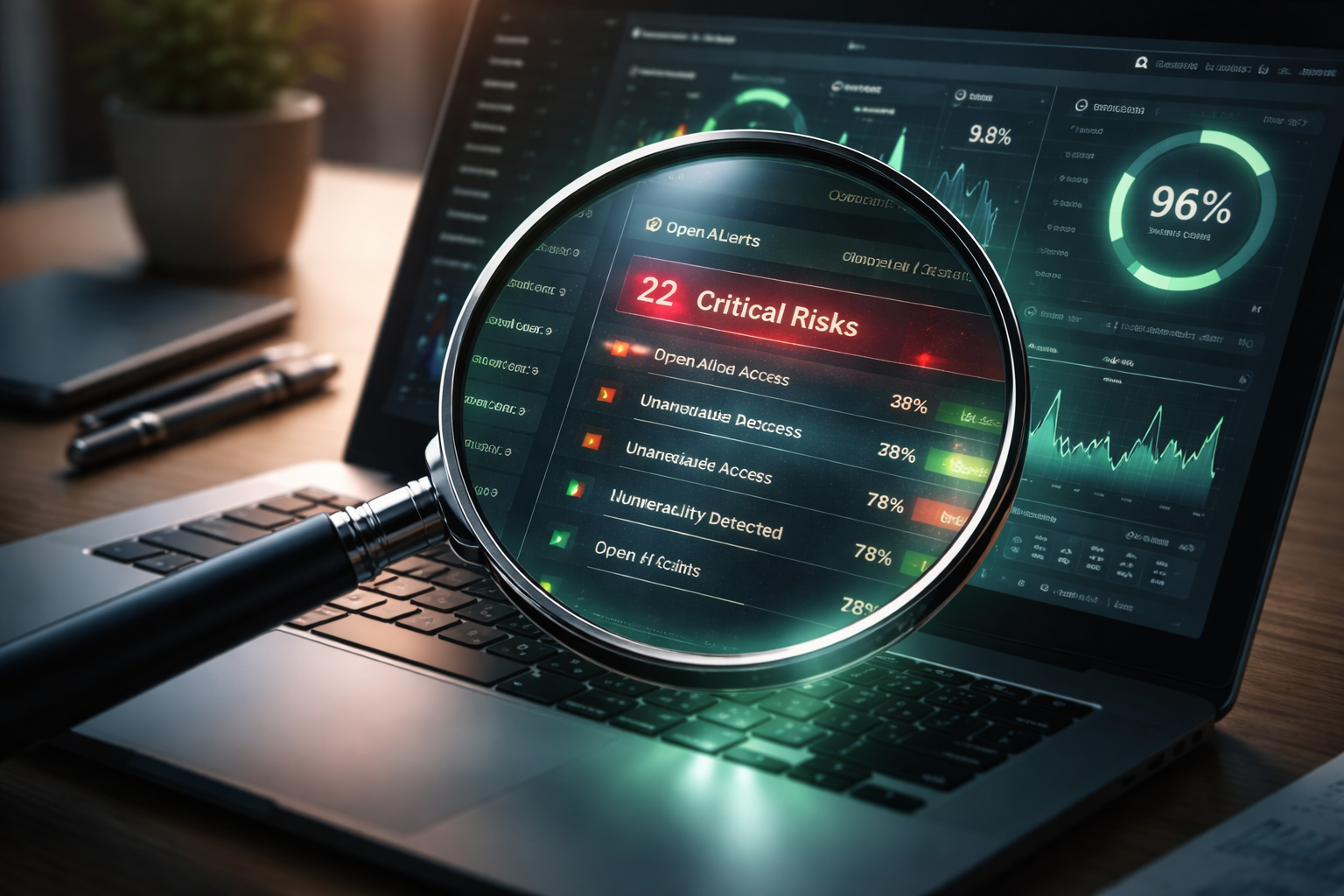
Cyber insurance renewal is becoming more demanding as insurers shift from trust-based assessments to evidence-driven underwriting. Organizations can no longer rely on questionnaires and policy statements alone. Instead, they must demonstrate that their security controls are actively implemented, continuously maintained, and capable of withstanding real-world threats.
Underwriters are now placing greater emphasis on operational maturity. It is not enough to have controls in place on paper. Organizations are expected to show how those controls function in day-to-day environments, including visibility into monitoring practices, incident response readiness, and recovery capabilities. This reflects a broader industry shift toward validating security effectiveness rather than assuming it.
The renewal process is also becoming more technical, since insurers are requesting deeper insight into areas such as endpoint detection, identity and access management, backup integrity, and vulnerability management. In many cases, organizations must provide supporting evidence, logs, or third-party validation to confirm that these controls are working as intended.
This evolution is driven by rising claims and increasingly sophisticated attack methods. As a result, insurers are tightening requirements and aligning coverage decisions with measurable risk. Organizations that can’t demonstrate strong security posture may face higher premiums, reduced coverage, or even denial of renewal.
Preparing for cyber insurance renewal now requires a proactive approach. Security teams must move beyond compliance-focused checklists and adopt continuous validation of their defenses. Demonstrating resilience, not just intent, has become essential to securing and maintaining coverage.
Thomas, Connor. 2026. “Your 2026 Cyber Insurance Renewal: What Auditors Expect This Year.” ITC Service. January 29.
READ: https://bit.ly/4sqaKsw
- Cyber Insurance
- Cyber Insurance Renewal
- Cyber Resilience
- Incident Response
- Risk Management
- Security Controls
- Security Validation